ASSCO Engineering: Integrated plant design with CADISON

ASSCO Engineering: Integrated plant design with CADISON

P&ID, 3D and BIM on one central engineering data basis

How ASSCO Engineering uses CADISON to connect dynamic design processes, multidisciplinary engineering and digital data flows across P&IDs, 3D and BIM.

Plant design is changing: project phases are becoming more closely interconnected, design schedules are getting shorter and changes often need to be incorporated during detailed engineering, construction or even commissioning.

For engineering companies, this means that different disciplines increasingly need to work in parallel using consistent engineering data that is available at all times.

Swiss engineering company ASSCO Engineering AG has therefore been using the CADISON engineering suite for almost 25 years. Its integrated, data-driven approach enables the company to connect P&ID and 3D design, manage data centrally and adapt projects flexibly to changing requirements.
Dynamic Plant Design: When Project Phases Run in Parallel

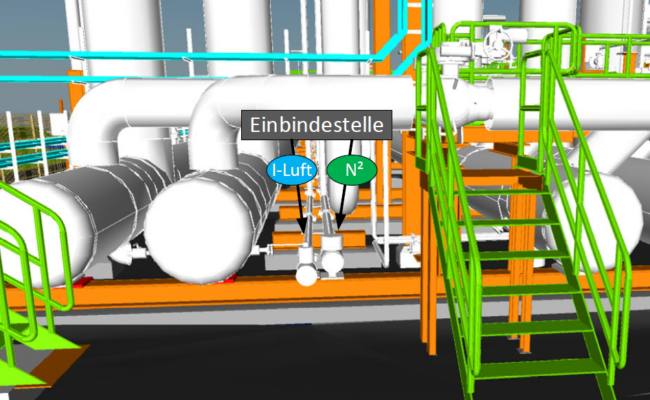
In modern plant projects, design phases increasingly run in parallel. Traditionally, P&IDs were often completed before 3D design began. Today, however, basic and detailed engineering are becoming more closely intertwined, with P&IDs and reports continuing to evolve while 3D design is already under way.

For ASSCO, the integration of P&ID and 3D design is therefore particularly important. CADISON enables several disciplines to work simultaneously on the same project while accessing centrally managed engineering data.

The shared data foundation makes it easier to incorporate changes throughout the project and reuse information consistently. In ASSCO’s experience, this integrated approach also helps reduce potential errors while simplifying and shortening design workflows.

BIM, IFC and Digital Twin in plant design

Digitalisation at ASSCO extends beyond P&ID and 3D design. The company’s next development steps include greater involvement in BIM projects, digital collaboration between project stakeholders and further progress towards the digital twin.

ASSCO uses CADISON’s IFC interface for cross-system data exchange. This allows models and their associated metadata to be imported, exported and shared with customers, specialist planners and architects.

This interoperability is particularly important in a BIM environment. Digital plant models should not remain isolated but enable information to be exchanged between different stakeholders and systems with minimal data loss.

3D scanning and point clouds for design and as-built documentation

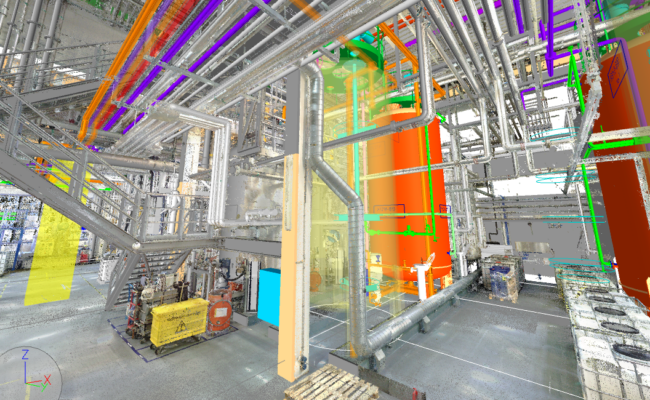
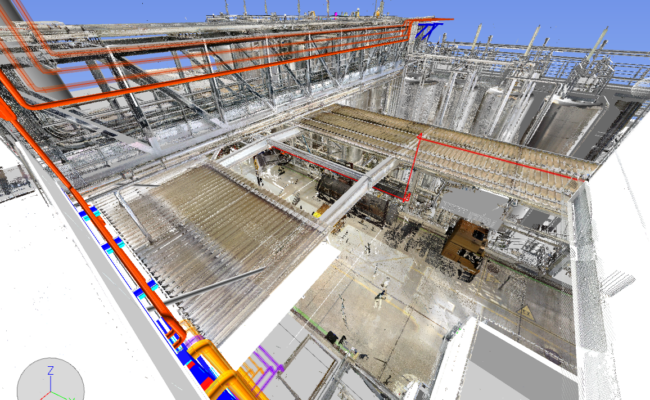
The digital capture of existing plants is also an integral part of ASSCO’s design process. Laser scanning, photogrammetry and point clouds are used to create accurate digital representations of existing facilities.

ASSCO uses this data both for ongoing design work and for the final as-built documentation. The information captured digitally therefore continues to provide value beyond the design phase of the project.

In ASSCO’s experience, operators are increasingly using this handover documentation for subsequent plant operation and facility management. Digital as-built data can therefore support additional phases throughout the plant lifecycle.

Manage engineering data and interfaces efficiently

As digitalisation progresses, the volume of graphical data, model data and metadata within plant projects continues to grow. CADISON helps ASSCO manage this engineering data centrally and visualise it effectively.

Interfaces with customers and project partners are equally important. Graphical data and the associated metadata can be exchanged between systems and incorporated into different digital workflows.

For ASSCO, three aspects are therefore closely interconnected: a consistent data foundation throughout the design process, multidisciplinary access to this information and the ability to exchange data with other systems.

What engineering firms can take from the ASSCO project

The case study highlights four key factors for flexible and increasingly digital plant design:

  • Connect P&ID and 3D design as project phases increasingly run in parallel.
  • Manage engineering data centrally so that different disciplines can access consistent information.
  • Use open interfaces to exchange models and metadata with customers, specialist planners and other systems.
  • Reuse digital as-built data from sources such as laser scanning and point clouds for design, final documentation and subsequent plant operation.

Integrated plant design is therefore about more than individual software functions. What matters is how consistently data, disciplines and project phases are connected.

Outlook: Plant design is becoming more connected and more digital

Flexible working, consistent engineering data and an open system architecture are already integral to ASSCO’s day-to-day design processes.

Looking ahead, the company sees modern engineering software, 3D scanning, photogrammetry, AR, VR and AI technologies as important drivers of further development. At the same time, specialist expertise, communication and collaboration between different disciplines remain essential to the success of plant projects.

Frequently asked questions
Why does ASSCO Engineering use CADISON for plant design?
ASSCO uses CADISON for integrated, data-based plant design. Central data management enables several disciplines to work in parallel on the same project and access shared engineering data. Especially important for ASSCO is the interaction between P&ID and 3D design.
How does CADISON support the connection of P&ID and 3D design at ASSCO?
At ASSCO, P&ID creation and 3D design increasingly run in parallel. CADISON provides a shared engineering data basis for this, which different project parties can access. Changes during the project can thereby be taken into account more flexibly and data reused consistently.
What role do BIM and IFC play at ASSCO Engineering?
ASSCO wants to handle BIM projects even more intensively in future and further expand digital collaboration between project parties. Via the IFC interface of CADISON, models and related metadata can be exchanged with other systems. That makes collaboration with customers, specialist designers and architects easier in particular.
Customer Stories All Stories

Technical articles, user reports and practical insights on digital engineering, modern plant design and the use of our software solutions.


Kuraray: Plant digitalisation with CADISON Kuraray: Plant digitalisation with CADISON

With CADISON, Kuraray is building a central engineering data basis for more efficient workflows, consistent data and the path to the Digital Twin.

GASCADE: Brownfield digitalisation with CADISON GASCADE: Brownfield digitalisation with CADISON

GASCADE digitalizes an existing compressor station with CADISON, laser scanning and intelligent P&IDs as a reliable basis for future brownfield projects.

Previous case
Next case

Your message has been successfully sent!